
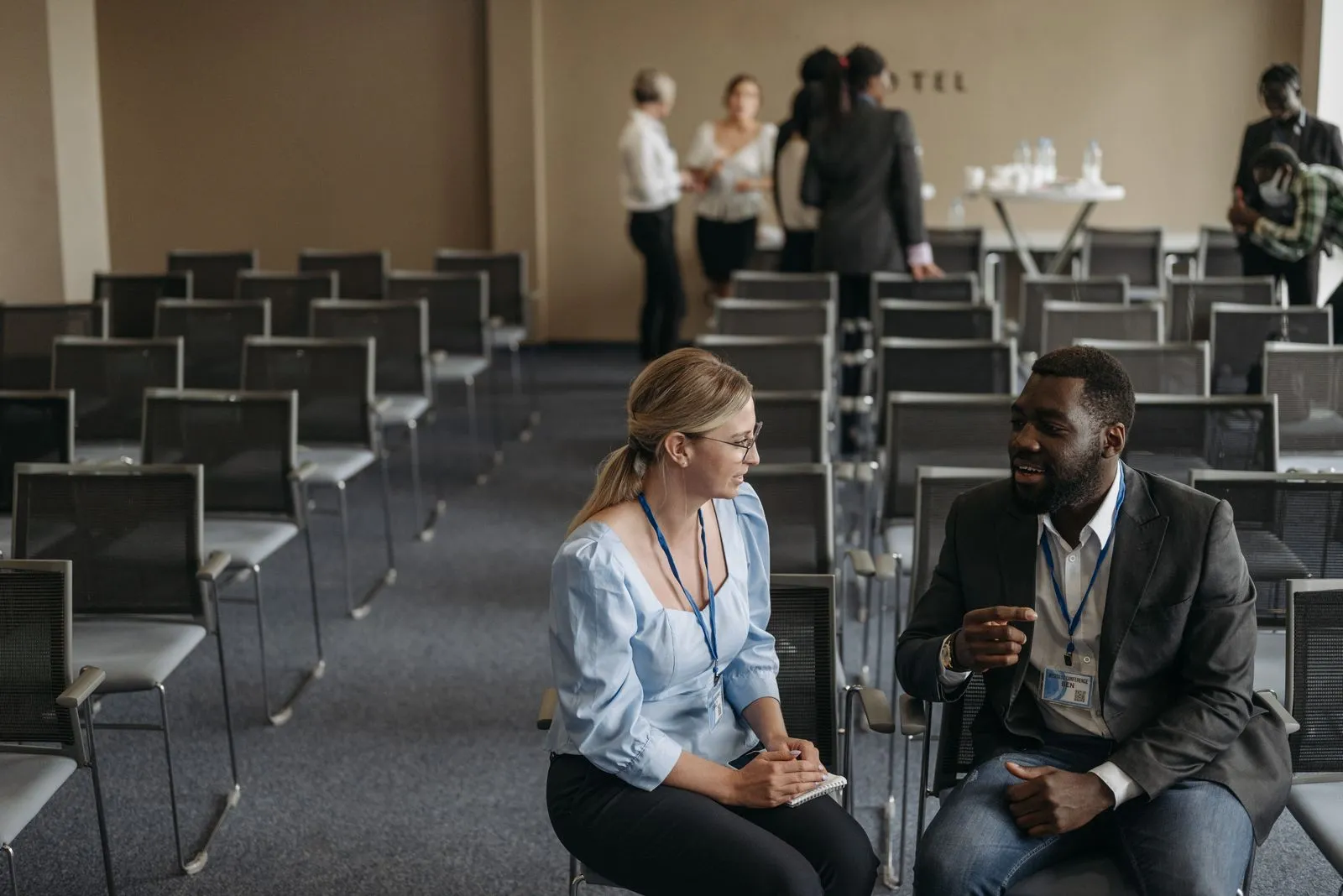
A useful networking event agenda gives people enough structure to feel comfortable without making every moment feel scripted. It should help guests settle in, meet others, have purposeful conversations, and know what to do after the event. Build the schedule around your audience and event length, then leave room for natural discussion. With a few clear transitions and realistic time blocks, attendees can connect without feeling rushed or unsure about what comes next.
Make Arrival Feel Easy
Set aside time for check-in before the formal program begins. Welcome guests at the door, make name tags easy to find, and display the agenda where people can see it. If attendees may not know one another, include a simple prompt on each name tag, such as what kind of connection they hope to make. These small details reduce the awkwardness of arriving alone.
Use the opening minutes for informal conversation rather than starting immediately with a presentation. Offer a clear start time and a brief indication of when the host will gather everyone. This lets punctual guests begin mingling while giving late arrivals a chance to check in without interrupting the program.
Set the Tone With Introductions
Keep the welcome brief. Explain the event’s purpose, outline the schedule, and share a few practical guidelines, such as how to join a conversation or where to find refreshments. A host who makes the format clear helps guests relax and spend less time wondering what they are expected to do.
Choose an introduction format that fits the group size. For a small gathering, invite each person to share their name, business, and one specific goal for the event. For a larger group, use pairs or small circles so everyone has a chance to speak without letting introductions take over the agenda.
Create Focused Conversation Time
Give attendees a clear reason to talk beyond exchanging business cards. Organize short, facilitated rounds around a practical topic, such as a current business challenge, a skill people can offer, or a type of referral they value. Share the prompt before each round and explain how long conversations will last so participants can focus on listening and finding common ground.
Balance structured networking with open conversation. After a guided activity, allow an unassigned block for guests to continue a promising discussion or meet someone new. Keep the transition clear: announce when the activity ends, point out any remaining agenda items, and remind guests that they can move between conversations freely.
End With Useful Next Steps
Build in a short closing rather than ending abruptly. Thank attendees, recap any key information, and invite people to identify one person they would like to follow up with. If the event includes an upcoming meeting or shared resource, explain where guests can find those details. Keep announcements concise so the final moments remain focused on connection.
Leave time for informal follow-up before guests depart. Attendees can exchange contact information, arrange a short conversation, or introduce two people who may benefit from knowing each other. After the event, send a timely message with any promised materials and a reminder to follow through on specific introductions. Kelowna Connect can help local organizers shape an agenda around their audience and goals.
A strong networking agenda welcomes people, gives introductions a purpose, and makes room for both guided and informal conversation. Close with clear next steps so useful connections can continue after guests leave. Start with your event’s goal, assign realistic time blocks, and adjust the schedule to suit the group. For help planning a local event, consider reaching out to Kelowna Connect.